The Psychology of Contrast in Live Mixing
If everything is massive, nothing is massive. Why dynamic mixing is the key to emotional impact.
In the world of live audio engineering, modern digital consoles and premium PA systems provide us with virtually unlimited headroom and pristine fidelity. A competent sound engineer can easily make a kick drum sound like a cannon, a vocal sound angelic, and guitars sound as wide as an arena.
But here is the psychological paradox of live mixing: If everything sounds massive, nothing sounds massive.
When every single instrument in a mix is pushed to its absolute sonic limit—maximum width, maximum low-end impact, maximum brightness—the audience experiences a phenomenon known as "static fatigue." The mix might sound technically "good" for the first 30 seconds, but without contrast, the human brain quickly habituates, and the emotional impact vanishes.
The Canvas of Silence
To understand contrast, we must treat a mix like a photograph. A photograph with no shadows has no depth. It is completely washed out. In audio, silence (or low volume) is our shadow.
When a corporate band drops down to a single acoustic guitar and a whisper-quiet vocal, a junior engineer's instinct is to immediately push the faders up so the audience can hear it clearly. This is a mistake.
By allowing the mix to become genuinely quiet, you force the audience to lean in. You create anticipation. The acoustic "shadow" makes the eventual full-band chorus hit with ten times more emotional force than if the song had been loud the entire time.
Frequency Contrast: Carving Space
Contrast applies to frequencies just as much as volume.
If you boost the low-end (bass) on the kick drum, the bass guitar, the synthesizers, and the floor toms, you don't end up with a "bassy" mix. You end up with a muddy, unintelligible roar. The low-end loses its definition because there is no contrast.
A master engineer understands the art of subtractive EQ. If the kick drum is the foundation of the rhythm, the bass guitar must be aggressively sculpted to get out of its way. By making the bass guitar slightly thinner, the kick drum is allowed to sound massive by contrast.
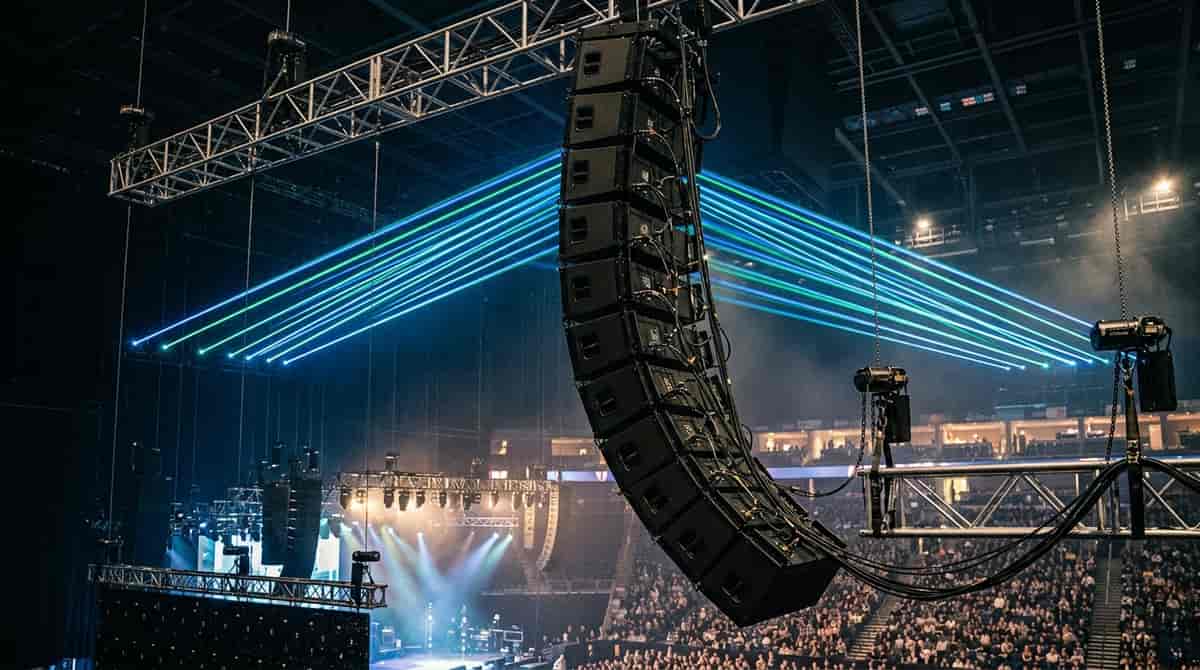
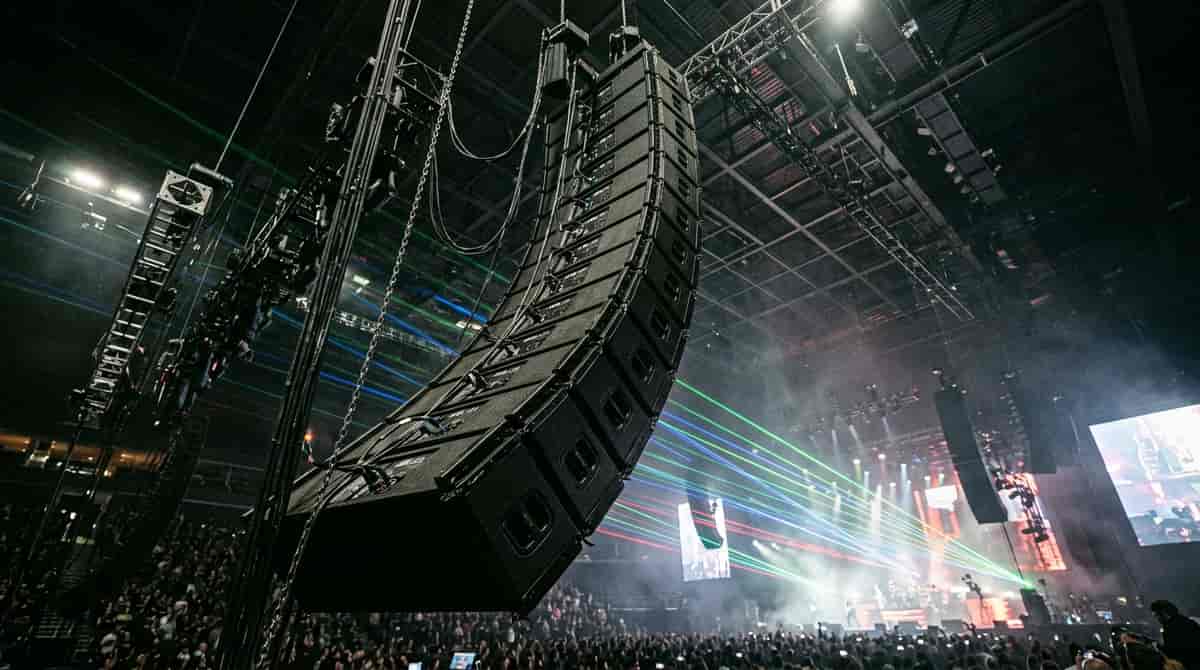
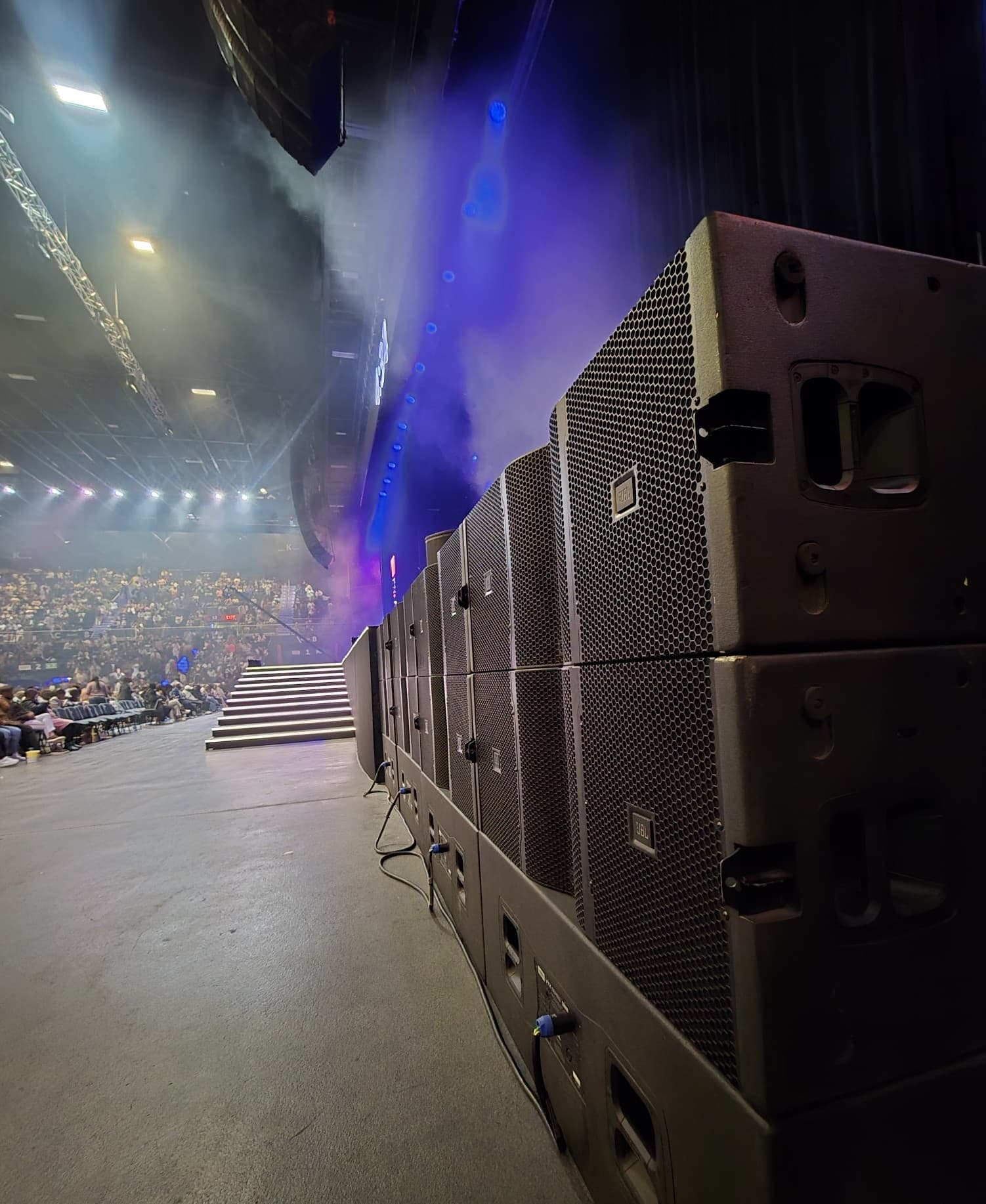
The "Small to Big" Trick: During a massive arena rock show, a common trick is to intentionally mix the opening act slightly narrower (panning instruments closer to the center) and slightly quieter than the PA can handle. When the headlining act steps on stage, the engineer unleashes the full stereo width and headroom of the system. The psychological contrast completely blows the audience away.
The Emotional Journey
Whether you are mixing a 2,000-pax corporate awards gala or an intimate wedding band, the goal is not to deliver a flat wall of sound. The goal is to take the audience on an emotional journey.
That journey requires hills and valleys. It requires a deep understanding of when to push a system to its physical limit, and, more importantly, when to pull back.
At Meyat Sound, our audio engineers don't just operate equipment; they sculpt emotional experiences through the calculated application of acoustic contrast.